










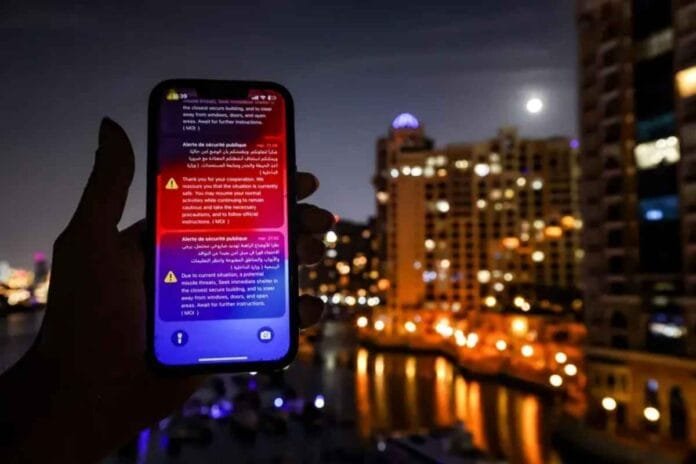
The UAE Emergency Alert System sends urgent public safety notifications directly to mobile phones during emergencies such as severe weather, security threats, or disasters. Alerts include loud tones and safety instructions. Residents should read the message carefully, follow official guidance, and monitor updates from government authorities.
UAE Emergency Alert Guidelines: What Every Resident Should Know
The United Arab Emirates (UAE) has one of the most advanced public safety communication systems in the Middle East. Through the National Early Warning System, authorities can instantly send emergency alerts to mobile phones to warn residents and visitors about potential dangers.
These alerts may relate to severe weather, security incidents, or other emergencies that require immediate public awareness.
For residents, understanding how the UAE emergency alert system works is essential for personal safety and compliance with official guidelines.
What Is the UAE Emergency Alert System?
The UAE emergency alert system is a government-operated public safety warning service that broadcasts alerts directly to mobile devices using cell broadcast technology.
Unlike SMS messages, cell broadcast alerts are delivered instantly to all compatible phones within a specific geographic area.
Key characteristics include:
- Instant notifications during emergencies
- Loud alarm sound and vibration
- Full-screen message display
- Messages in Arabic and English
- Alerts sent automatically without registration
The system ensures that residents receive real-time safety instructions during emergencies.
Authorities Responsible for Sending Emergency Alerts
Only authorized government entities can issue emergency alerts in the UAE. These organizations coordinate to ensure accurate and reliable warnings.
Key authorities include:
- National Emergency Crisis and Disaster Management Authority (NCEMA)
- Ministry of Interior (MOI)
- Abu Dhabi Police
- Dubai Police
- Sharjah Police
- Ministry of Health and Prevention (MOHAP)
These agencies monitor public safety risks and activate alerts when necessary to protect residents and infrastructure.
Types of Emergencies That Trigger UAE Alerts
Emergency alerts may be issued for various situations where immediate public awareness is necessary.
1. Severe Weather Events
The UAE occasionally experiences extreme weather conditions such as:
- Heavy rainfall
- Flash floods
- Sandstorms
- Thunderstorms
- Strong winds
During such events, authorities may advise residents to stay indoors or avoid certain areas.
2. Natural Disasters
Although rare, alerts may also be issued for:
- Earthquake tremors
- Flood risks
- Major environmental hazards
The goal is to provide early warning and minimize risk to life and property.
3. Public Safety or Security Threats
Authorities may also issue alerts during:
- Major accidents
- Hazardous incidents
- Security-related threats
- Emergency evacuations
These alerts help authorities communicate rapid safety instructions to large populations.
4. Health Emergencies
In some situations, alerts may be used to communicate public health guidance during:
- Disease outbreaks
- Health emergencies
- Public safety advisories
This ensures residents receive verified information directly from authorities.
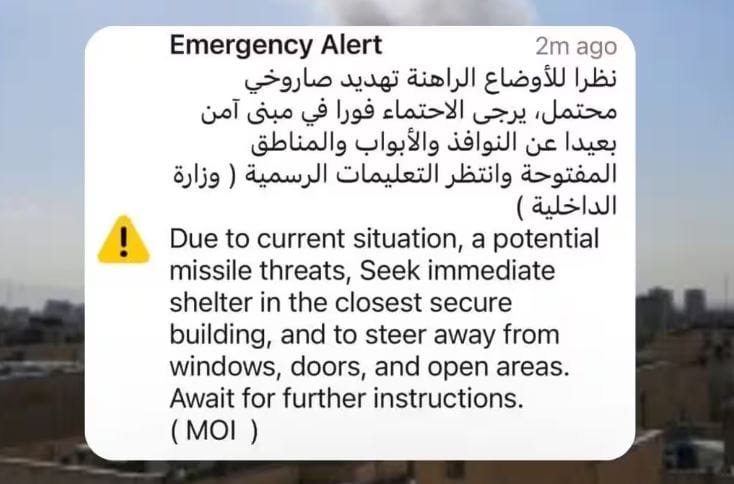
What a UAE Emergency Alert Looks Like
When an emergency alert is issued, your phone will display:
- A loud alarm tone
- A full-screen message
- Emergency instructions from authorities
The alert usually remains on the screen until the user acknowledges it.
A typical message may read:
These alerts are designed to capture immediate attention and ensure residents respond quickly.
“Severe weather warning. Avoid beaches and valleys. Stay indoors unless necessary.”
What Residents Should Do When Receiving an Emergency Alert
Understanding how to respond to an emergency alert is critical for safety.
1. Read the Alert Carefully
Emergency messages contain important instructions such as:
- Shelter indoors
- Avoid certain locations
- Evacuate an area
- Reduce travel
Always read the entire message before taking action.
2. Follow Official Instructions
Authorities issue alerts based on verified information. Residents should follow instructions such as:
- Staying indoors
- Avoiding flooded roads or valleys
- Delaying travel
- Seeking shelter if advised
Ignoring warnings can increase personal risk.
3. Monitor Official Information Sources
After receiving an alert, monitor updates from official channels such as:
- Government websites
- Police social media accounts
- Official news outlets
- Weather authorities
This ensures you receive the latest verified updates.
4. Avoid Sharing Unverified Information
During emergencies, misinformation can spread quickly.
Residents should:
- Avoid forwarding rumors
- Share only official updates
- Follow trusted government sources
Responsible information sharing helps maintain public safety.
Emergency Contact Numbers in the UAE
Residents should also be familiar with emergency numbers in case immediate assistance is required.
| Emergency Service | Phone Number |
|---|---|
| Police | 999 |
| Ambulance | 998 |
| Fire Department | 997 |
| Coast Guard | 996 |
| Search and Rescue | 995 |
These services operate 24 hours across all emirates.
Do Residents Need to Activate Emergency Alerts?
In most cases, no activation is required.
Emergency alerts are automatically enabled on most smartphones because mobile networks support the UAE’s national warning system.
However, residents should ensure:
Their phone software is updated
Emergency alerts are not disabled in settings
The device supports cell broadcast technology
Visitors and tourists in the UAE can also receive alerts automatically.
Why the UAE Emergency Alert System Is Important
The emergency alert system plays a vital role in national safety by:
Delivering warnings within seconds
Reaching millions of mobile devices simultaneously
Providing clear safety instructions
Reducing panic through official communication
For residents, understanding these alerts ensures better preparedness during emergencies.
Read More Articles on Residents and Citizens